
FOUNDATION LICENSE ORIENTATION
About the Foundation LicenseThe Foundation License is the formal entry point into operating within the 4D High Design Infrastructure™ system.
It provides licensed access to:
A structured brand architecture model
An anhydrous color cosmetics manufacturing framework
Margin-conscious batch methodology
Small-scale, compliance-aware infrastructure design
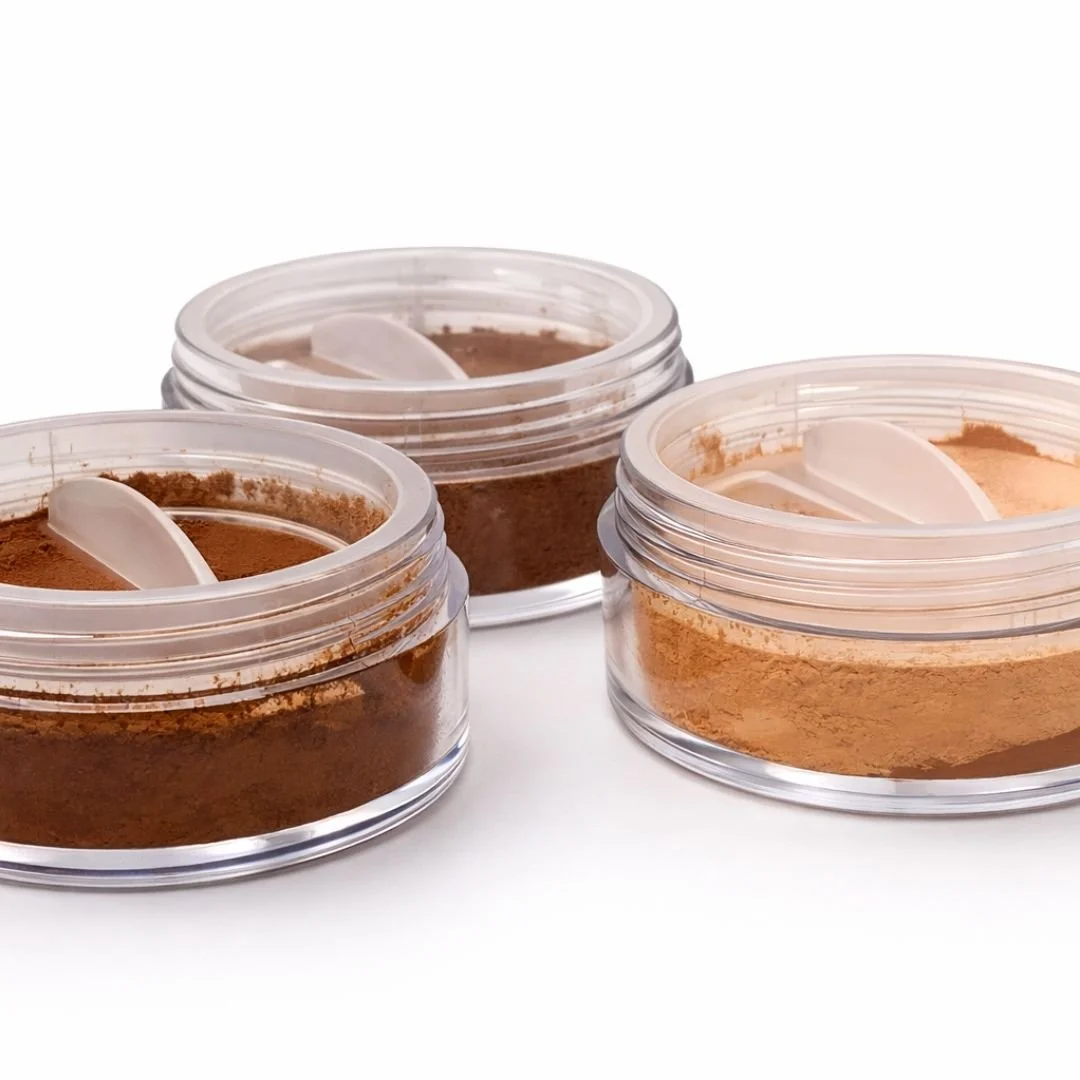
High-performance mineral-based complexion systems
This is not a franchise.
This is not private labeling.
This is licensed intellectual infrastructure for disciplined brand ownership.
The Anhydrous Advantage
The Foundation model centers on anhydrous (water-free) cosmetic systems.
Water-free systems offer structural advantages at entry:
Reduced microbial growth risk compared to emulsified products
Fewer preservation variables
Simplified stability considerations
Lower contamination sensitivity
Controlled small-batch precision
This does not eliminate regulatory responsibility. It reduces avoidable complexity at the beginning of the manufacturing journey.
Anhydrous complexion products also deliver:
Immediate visible performance
Buildable coverage
Undertone-specific precision
Long shelf stability when properly handled
Lightweight, high-impact aesthetic results
The consumer sees results instantly.
Market Context for Mineral Powder Foundation
Mineral powder foundation remains a durable category in the United States.
Recognizable brands include:
bareMinerals
Laura Mercier
Jane Iredale
MAC Cosmetics
IT Cosmetics
Fenty Beauty
Alima Pure
Youngblood Mineral Cosmetics
Cover FX
Tarte Cosmetics
Retail pricing for 20–30g equivalent mineral foundation jars commonly ranges from approximately $28 to $55 depending on brand positioning.
The category demonstrates:
Repeat purchase behavior
Shade & tint loyalty
Consistent consumer demand
It is not trend-dependent.
What Consumers Still Want
Despite strong competition, consumers continue to seek:
Talc-free formulations
True olive undertones
Deeper & richer shade precision without ashiness
Balanced red-neutral undertone systems
Fragrance-free options
Ingredient label transparency
Buildable coverage without caking
Undertone literacy remains underdeveloped across much of the market.
A structurally trained founder can address that gap.
Smaller Product. Smaller Footprint. Greater Feasibility.
Color cosmetics, especially powder based formats, benefit from:
Smaller packaging sizes
Lower per unit material volume
Compact storage requirements
Reduced mechanical overhead
Contained blending environments
Because packaging and production volume are smaller, operators can realistically maintain:
Cleanable surfaces
Segregated raw material storage
High-performance cosmetics do not require industrial-scale space.
Acceptable Facility Examples
Manufacturing may occur in various facility types provided sanitation and compliance standards are upheld.
Examples include:
A dedicated finished residential production space
A converted studio suite
A small commercial workspace
A shared commercial kitchen (where compliant and properly segregated)
A maker space with appropriate sanitation control
Community kitchen facilities where permitted
Small warehouse production units
Curated industrial studio spaces
The determining factor is not square footage.
It is:
Cleanable, non-porous surfaces
Controlled contamination prevention
Documented sanitation protocols
Ingredient traceability
GMP-aligned production discipline
All facility compliance remains the responsibility of the Licensee
Regulatory Awareness
Cosmetics in the United States are regulated under:
The Federal Food, Drug, and Cosmetic Act
FDA oversight
Current Good Manufacturing Practice (GMP) expectations
Color additive compliance requirements
Ingredient labeling regulations
Manufacturers are responsible for:
Product safety
Sanitary production conditions
Accurate labeling
Substantiated claims
Proper recordkeeping
The Foundation License operates within a regulatory-aware framework.
It supports structured operation.
It does not replace legal compliance.
Margin Conscious Production Architecture
The Foundation system is built around:
Direct raw material sourcing
Controlled batch production
Input-level cost awareness
Elimination of private label markup
Smaller minimum order quantities at the ingredient level
This structure may allow operators to:
Maintain stronger gross margin control
Scale shade systems incrementally
Avoid large finished goods commitments
Reduce dependence on crowdfunding or external capital events
This does not guarantee profitability. It supports capital efficiency.
Skill Acquisition & Transferable Capability
One of the advantages of this license is capability development.
Operators gain:
Pigment literacy
Undertone balancing skill
Shade development precision
Batch measurement discipline
Stability awareness
Raw material familiarity
Documentation methodology
Within the licensed system, founders sharpen their ability to:
Create and refine complexion shades
Understand hue, tint, depth, and undertone interaction
Develop blush tones
Construct eyeshadow palettes
Conceptualize concealers and liquid systems
Think in formulation architecture rather than product trend
While all licensed manufacturing activity must remain within the terms of the agreement, the technical literacy acquired is transferable knowledge.
You are not merely producing product.
You are developing formulation intelligence. That intelligence strengthens long-term brand control.
Realistic Time & Practice Expectations
This is a skill-based discipline.
Operators should expect:
Multiple batch iterations
Shade adjustment cycles
Documentation refinement
Process repetition
Practice-based improvement
Typical early-stage progression may include:
2–6 weeks for infrastructure setup
4–12 weeks for production familiarity
1–3 months for shade system refinement
Structured methodology reduces avoidable repetition.
It does not eliminate practice. Mastery is built through disciplined execution.
Sustainable Brand Longevity
Color cosmetics brands that sustain beyond early volatility typically demonstrate:
Controlled shade architecture
Consistent formulation
Margin awareness
Repeat purchase stability
Undertone accuracy
Operational discipline
Brands built on production literacy and structural control are positioned for longevity.
Step-by-Step Production Pathway
The licensed framework supports a defined progression. A clear, concise, compliant pathway from raw materials to finished product within a refined footprint.
Financial Structure
Initial License Fee: $9,000
Covers Year One.
Year Two Renewal: $1,200
Year Three Renewal: $1,200
Continuation beyond Year Three is subject to annual compliance review.
No royalties.
No revenue share.
No operational oversight.
All operational responsibility remains with the Licensee.
Is This the Right Entry Point?
This model is appropriate for:
Founders seeking structural control
Operators committed to regulatory discipline
Entrepreneurs building sustainable cosmetics lines
Individuals prepared to develop real production literacy
It is not appropriate for:
Trend-dependent drop shipping
Passive brand ownership
Viral-only launch cycles
Founders unwilling to engage with manufacturing rigor
Final Positioning
The Foundation License is not a shortcut into beauty.
It is a structured, anhydrous entry into:
High-performance mineral-based complexion systems
Margin-aware small-scale manufacturing
Pigment literacy and formulation intelligence
Regulatory-aware production discipline
Sustainable brand ownership
Licenses are issued selectively to preserve structural integrity.